Understanding Safety Bollards: A Comprehensive Overview
Safety bollards are integral components of modern infrastructure, serving as robust barriers to protect pedestrians and property from vehicle-related accidents. As urban landscapes evolve and traffic increases, the demand for effective safety measures, such as Safety bollards, has never been more critical. They come in various shapes and materials, designed to meet specific needs and environments. This article provides a detailed exploration of safety bollards, their types, importance, benefits, selection criteria, and future trends impacting their usage.
What Are Safety Bollards?
Safety bollards are vertical posts crafted from durable materials, primarily designed to withstand impacts and delineate safe from unsafe areas. They serve various functions, including protecting buildings, guiding vehicular traffic, and preventing unauthorized access to restricted zones. Bollards can be permanent fixtures or temporary installations, and they are commonly found in parking lots, sidewalks, construction sites, and public areas.
Types of Safety Bollards Available
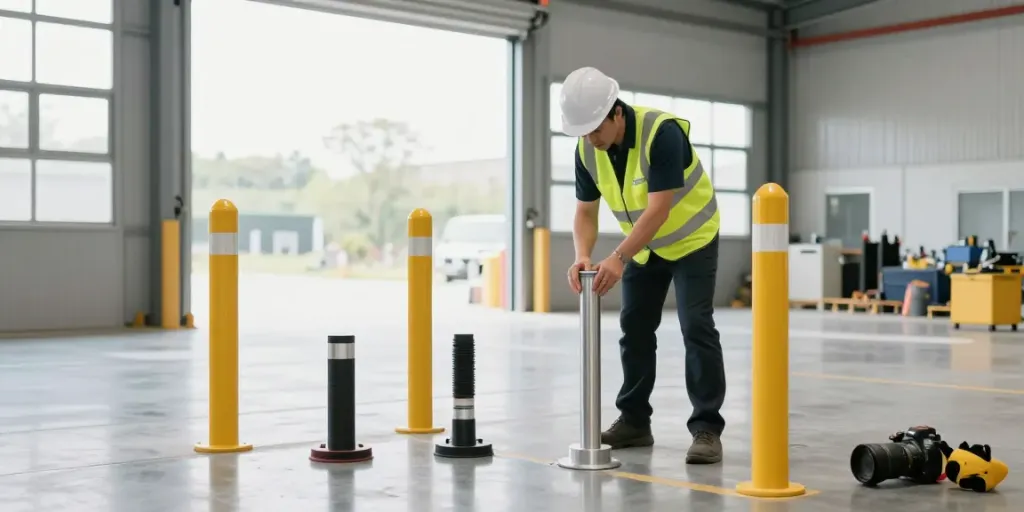
There are several types of safety bollards available, each tailored to meet specific safety and functional requirements:
- Fixed Bollards: These are securely installed into the ground, providing a permanent barrier against vehicle intrusion.
- Removable Bollards: Designed to be easily taken out or replaced, removable bollards offer flexibility, allowing for temporary access when needed.
- Crash-Rated Bollards: Engineered to withstand significant force, crash-rated bollards are tested to meet stringent safety standards, protecting critical structures from vehicular impacts.
- Decorative Bollards: These bollards combine safety features with aesthetic appeal, often found in urban planning and landscaping to enhance visual appeal while ensuring safety.
The Importance of Safety Bollards in Various Settings
Safety bollards play a vital role in enhancing safety across multiple environments. In public spaces, they prevent vehicles from accessing pedestrian zones, reducing the risk of accidents. In construction sites, they delineate work areas and ensure that unauthorized personnel stay out of potentially hazardous zones. Additionally, in parking lots, bollards help guide traffic flow and protect structures from accidental vehicle impacts.
Key Benefits of Safety Bollards for Your Site
Enhanced Protection for Pedestrians and Property
Implementing safety bollards significantly boosts safety for both pedestrians and property. By acting as physical barriers, they minimize the risk of pedestrians being struck by vehicles, particularly in high-traffic areas. Bollards also protect buildings and roadside assets by absorbing impact forces, thereby reducing repair costs associated with vehicular collisions.
Improved Visibility and Traffic Control
Safety bollards come in various colors and designs, often featuring reflective surfaces that enhance visibility. This is crucial in poorly lit areas or during inclement weather, as increased visibility helps guide drivers and ensures pedestrians can navigate safely. By directing traffic flow and restricting access to certain zones, bollards help maintain order and enhance safety.
Cost-Effectiveness in Preventing Damages
Investing in safety bollards is a cost-effective measure for businesses and municipalities. By preventing accidents, they reduce the likelihood of costly damage to property and infrastructure. Furthermore, safety bollards minimize liability risks associated with accidents, ultimately resulting in long-term savings on insurance premiums and legal costs.
How to Choose the Right Safety Bollards for Your Needs
Assessing Site Requirements and Risks
Before selecting safety bollards, it’s essential to assess the specific requirements of the site. Consider factors such as the volume of pedestrian and vehicular traffic, the potential risks present, and the desired aesthetic appeal. Locations with high traffic should utilize heavy-duty, crash-rated bollards, while decorative options may be more suitable for less-trafficked public areas.
Material and Design Considerations
Safety bollards can be made from various materials, including steel, aluminum, and plastic. Each material offers different levels of durability, impact resistance, and aesthetic appeal. Steel bollards are often preferred for their strength and crash-resistance, while plastic options can be cost-effective for temporary setups. Additionally, the design should consider visibility, height, and color to ensure they effectively communicate their purpose.
Installation Guidelines and Best Practices
Proper installation is crucial for the effectiveness of safety bollards. It is recommended to engage professionals who understand the local regulations and installation standards. Guidelines include ensuring the bollards are sufficiently anchored to withstand potential impacts. Depending on the type of bollard, installation methods may vary, so following the manufacturer's specifications is essential.
Challenges and Solutions in Bollard Implementation
Common Misconceptions About Safety Bollards
There are several misconceptions about safety bollards that can hinder their implementation. One common belief is that all bollards are created equal regarding safety. However, the effectiveness of a bollard largely depends on its material, design, and intended use. Understanding the differences and selecting the appropriate type for specific applications is vital in enhancing safety.
Overcoming Installation Obstacles
Installation challenges may arise due to site constraints or underground utilities. Early planning and site assessments can help identify potential obstacles, allowing for adjustments in design or installation methods. If traditional installation methods prove challenging, exploring innovative installation techniques like surface-mounted bollards may be beneficial.
Case Studies of Successful Bollard Use
Numerous case studies have demonstrated the successful implementation of safety bollards. For instance, a city park that installed decorative bollards effectively reduced vehicle encroachment and improved pedestrian safety without sacrificing aesthetics. Similarly, a construction site adopted crash-rated bollards, preventing unauthorized access and reducing accidents during high-traffic operations.
Future Trends in Safety Bollards for 2026 and Beyond
Innovations in Material and Design
As technology advances, materials used in safety bollards are also evolving. Future bollards will likely incorporate advanced composites that offer enhanced strength without the weight of traditional materials. Additionally, innovative designs that blend functionality with aesthetics will become more prevalent, catering to the increasing demand for visually appealing safety solutions.
Smart Technologies in Bollards
The integration of smart technologies into safety bollards is an emerging trend that could revolutionize their functionality. Features such as motion sensors, LED notifications, and connectivity to smart city infrastructure will enhance their effectiveness by providing dynamic responses to changing environments and traffic conditions.
Regulatory Changes Affecting Safety Standards
As safety regulations evolve, there will likely be greater emphasis on establishing stringent standards for safety bollards. Stakeholders must stay informed about regulatory changes that could affect installation requirements, specifications, and performance standards. This awareness will ensure that installations remain compliant and provide maximum safety benefits.
What can I use instead of bollards?
While bollards are effective for safety, alternative options include concrete barriers, fencing, or planters. Each alternative offers varying levels of protection and aesthetic value, depending on the specific needs of the site.
What is a safety bollard?
A safety bollard is a vertical post designed to withstand impacts and serve as a barrier against vehicle intrusion, enhancing pedestrian safety and protecting property.
Can a bollard stop a truck?
Yes, specifically designed crash-rated bollards are engineered to withstand significant impacts from vehicles, including trucks, thus providing effective barriers in high-risk areas.
What is the average cost to install a bollard?
The cost of installing a safety bollard varies based on the type, material, and installation requirements. Generally, the average cost ranges from $200 to $1,000 per bollard, including materials and labor.
How do I maintain safety bollards?
Regular maintenance of safety bollards includes inspections for signs of damage or corrosion, cleaning to maintain visibility, and repainting or re-coating as necessary to extend their lifespan and effectiveness.